

The topic of resistant starch as a means to healthy digestion is all the rage currently. At the top of that list is the mighty Plantain. Is this resistant starch helping or hurting your gut?
People always ask me about the Plantain, “Is this resistant starch helping or hurting me?” I’m throwing in my thoughts today.
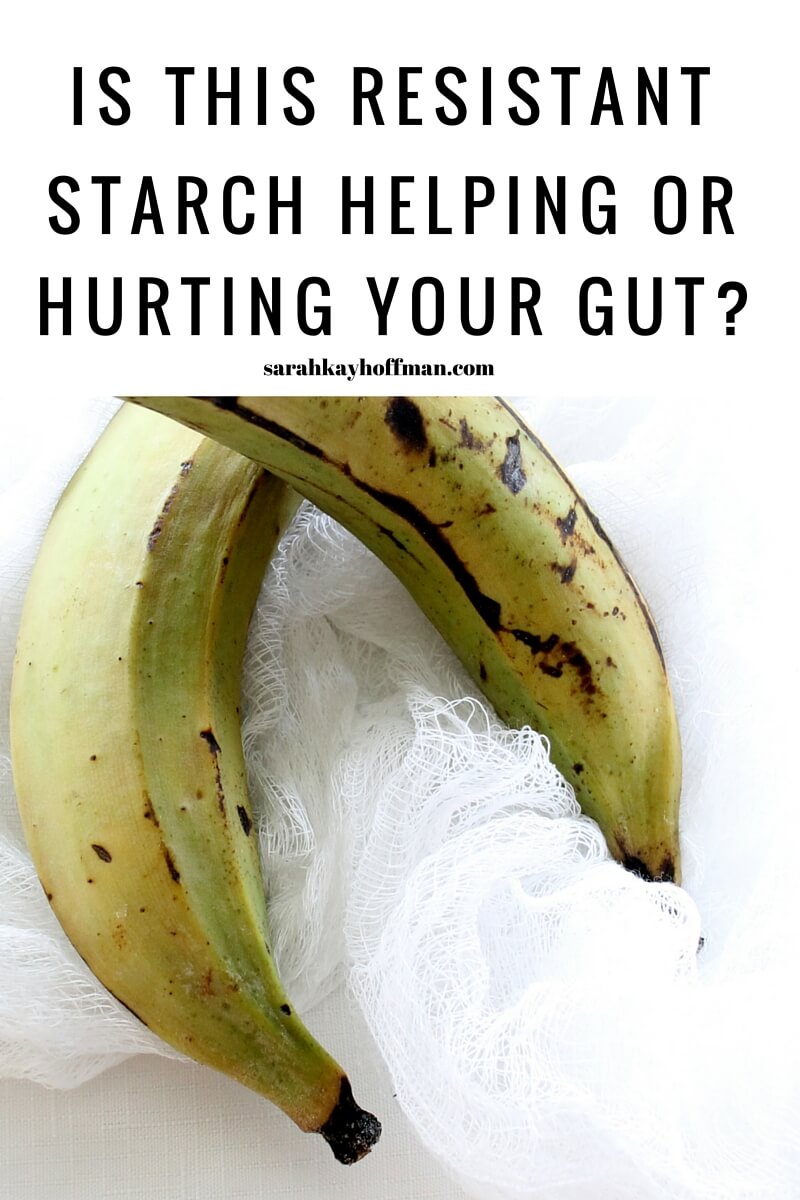
What is Resistant Starch?
Resistant Starch is starch and starch degradation products that escape from digestion in the small intestine of healthy individuals. Resistant starch occurs naturally in foods but is also added to foods by the addition of isolated or manufactured types of resistant starch.
What are Plantains?
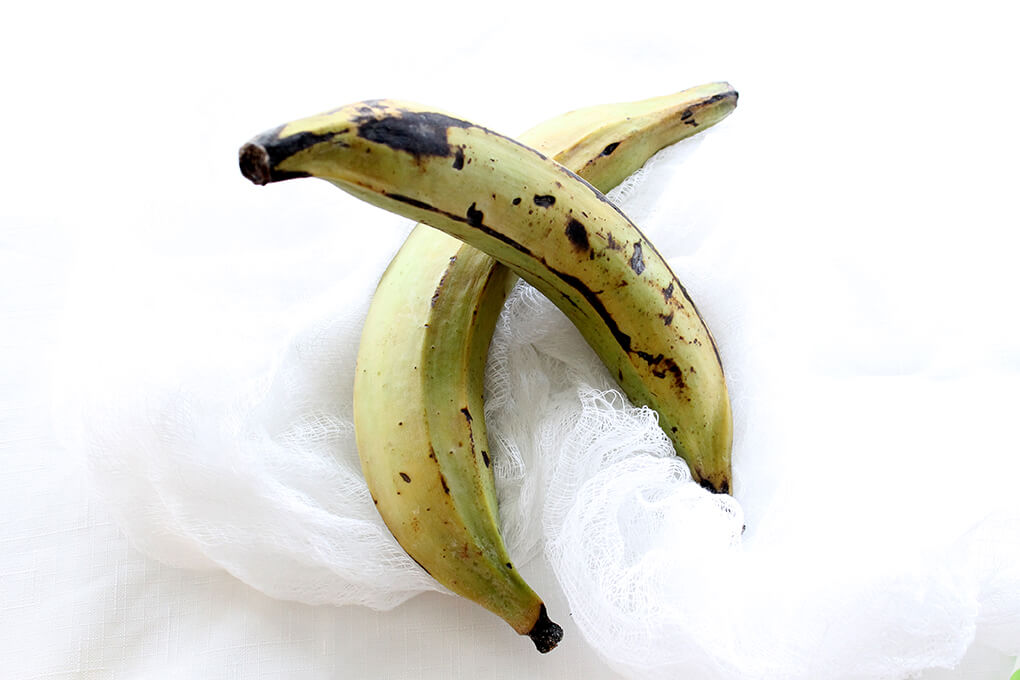
Plantains are bananas containing high levels of starch and little sugar, harvested green and widely used as a cooked vegetable in the tropics.
What is the difference between a plantain and a banana?
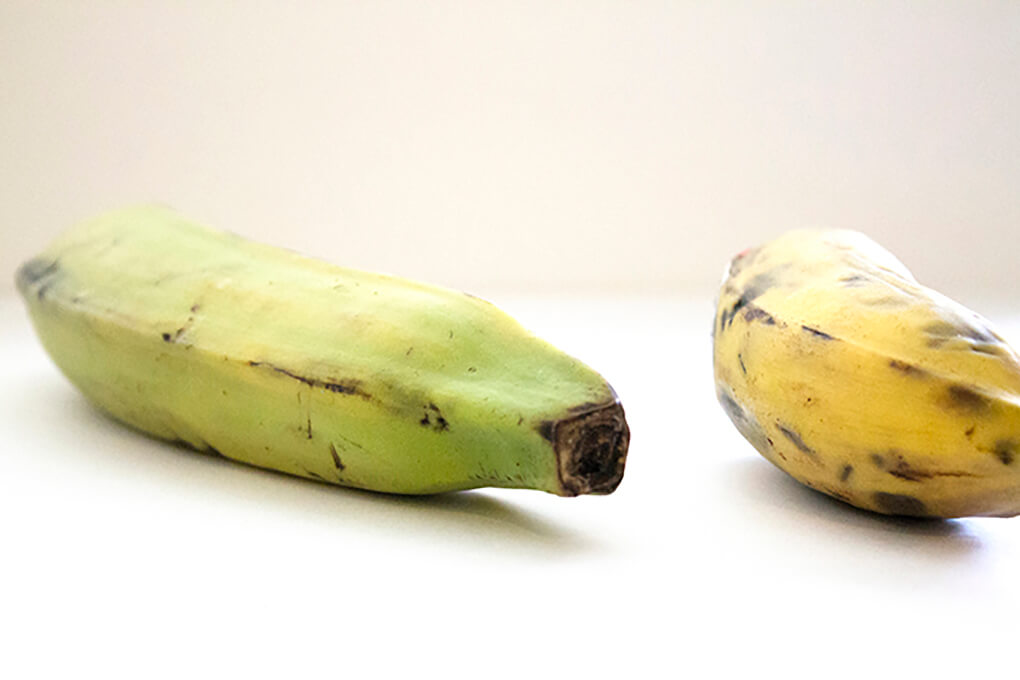
Plantains are “usually large, angular and starchy, in contrast to common or “dessert” bananas, which are typically eaten raw and without the peel, usually being smaller, more rounded and sugary; however, there is no formal scientific distinction between plantains and bananas.” (source)
Plantains and the gut
By now, you have probably heard that plantains, as a resistant starch, are super good for your gut. They have been called a gut superfood among many other things, and most assume that because they are optimal for many that they are optimal for all. While they are a Paleo food (plus low-FODMAP) and have a place for gut healing, they should also be used with caution for those who are in early stages of gut healing.
Is This Resistant Starch Helping or Hurting Your Gut
Click HERE to save this post for later.
When it comes to exercising caution with plantains (and resistant starches in general), I think Food Renegade stated it best,
GAPS patients and most who are still in the trenches of healing are advised to wait on all starches. These long-chain sugars can exhaust the enterocyte gut cells that are trying to regenerate, while also feeding invasive pathogens, sabotaging the purpose of the diet.
Recipes Using Plantains
Below you will learn about my experience with Plantains, and to prove that I have consumed my fair share (okay thousands likely!) of Plantains, here are the recipes I have created using them:
- Savory Hempseed Flatbread
- Tuna Melt {Gluten, Dairy and Egg Free}
- Flatbread Basil Baked Chicken (with Red Palm Oil) Sandwich
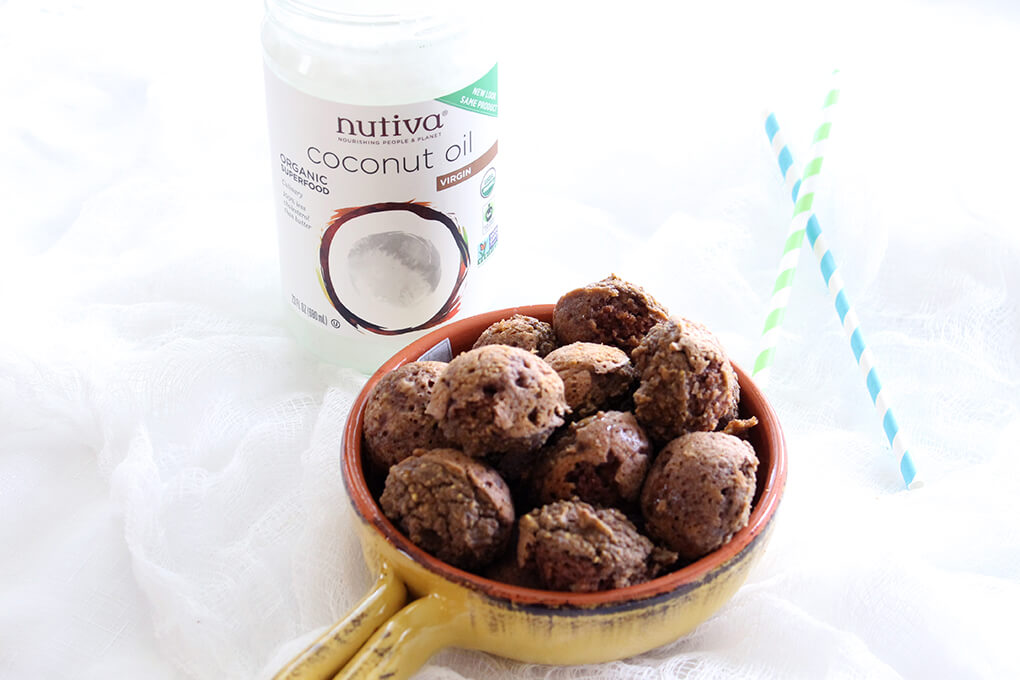
- Plantain Breakfast Poppers
- AIP Bread (my favorite!)
My Personal Experience
I am able to confidently write about topics like this because I have not only studied thousands of individual foods, gone to school to learn more about bio-individuality (how different foods work with different people from all different backgrounds and with different life circumstances) and worked with so many other women with IBS and IBD, but also I LIVE this day-in, day-out.
When it comes to the gut, you name it, I’ve likely dealt with it, overcome and/or continue to battle with it.
And so I have practiced a lot with Plantains. In fact, I have made a version of my AIP Bread over 100 times. The bread uses no traditional flours and instead pulls the starch 100% from Plantains.
The verdict?
The only times I have not been able to successfully eat Plantains are those times when my gut is severely inflamed and no matter what I do, nothing helps. In other words, up until about a year ago, I was in this place. My SIBO was at its worst, I had an extremely leaky gut and I’d argue that even my Colitis flared from more often than I’d like to admit. All of these, to prove the points above, meant that I should have remained a GAPS patient, thus eliminating Plantains for that time being (but I chose not to 100%).
Once my SIBO cleared, though, and I began to heal in many other ways, the starchiness of Plantains no longer affected me.
Your Turn
When it comes to Plantains (heck, or any food, really) no one will have the exact right answer for you because no one is you with your specific set of heath challenges/life circumstances, and no one will react to foods in the ways you do.
But IF you have IBS or a digestive disease (IBD), I’d love to know if you eat Plantains and if/how you tolerate them? Feel free to shoot me an email privately (sarahkay at agutsygirl.com) or click HERE to contact me.
Xox,
SKH

🤰 bloating be gone! weight loss through optimal gut health for women
💃ʜᴇᴀʟ ʏᴏᴜʀ ɢᴜᴛ. ʜᴇᴀʟ ʏᴏᴜʀ ʟɪfe.
🫶🏻 founder gutbyome.com



Love this topic Sarah. I have been treated for candida overgrowth and SIBO with two separate rounds of prescription anti-fungals. I just took another SIBO test to see if we got rid of it all this past time. Even though I’ve been on three different types of over the counter antifungals and eat super clean, I still can’t tolerate resistant starch including plantains, sweet potatoes, potatoes, yucca (including cassava flour), arrowroot flour, tapioca etc. It’s frustrating because plantains and sweet potatoes are what I crave! It’s weird how our bodies crave what we can’t have, isn’t it? I’m still working with my ND to figure this out, but even if the SIBO test comes back negative this time, I guess there’s still a lot more gut healing to do. I’ve been on this journey for 5 years now and thought by the time I was my age I would have figured it out and healed completely. I’m not giving up but man, does it get exhausting.
I would love to hear if others have experienced what I’m experiencing. Thanks for addressing this!
Thanks for your thoughts, Kylee! I’m looking forward to hearing more thoughts as well….
Falcarinol (the specific anti-cancer substance in carrot juice, PARSLEY, and parsnips) is an anti-fungal. Falcarinol is even used in industry as an antifungal. Perhaps you could use it [it’s non-starchy!] as your antifungal.
Best wishes to you. 🙏
I have exactly the same experience as Kylee, also i cant digest eincorn, oats, cold rice, bread and many others.
I suspect my son has high functioning autism, but we are still waiting on his appointment. I know all about the Body Ecology diet, SCD, GAPS , AIP but I’m trying to create one that my son will eat and recover with. It’s hard to get him to eat anyways, I want him to recover but I don’t want him to starve. This was my thoughts: I tailored a paleo diet with extras. Dairy free except 24 hour yogurt. Boiled meat or slow cooked meat to rest the digestive system. A cup a bone broth for breakfast. Lime juice or lemon with other meals to akalize the body. Collagen and gelatin treats everyday. Honey as only sweetener for a while, in limited amounts. No white potatoes. Limited fruits. Only cooked or fermented fruit for easy digestion. No preservatives or additives. Fermented foods. No eggs since he can not tolerate them. Keep only almonds for a while, but properly prepared.
What do you think? And how will I be able to tell if he cannot tolerate plantains or sweet potatoes? I was going to also take him to the GI doctor as well